The United States appealed the order of District Court Judge Dolly M. Geer enforcing a settlement agreement in the Florio v. Meese/[Barr] class action regarding aliens conditions of confinement in which, as the government now notoriously argued in its brief
The court also rejected Defendants’ argument that “soap, towels, showers, dry clothing, or toothbrushes” are not required under the Agreement because the Agreement makes no mention of those items.
The news has been full of debate about the unwillingness of DOJ attorney Sharon Fabian to concede at oral argument before the Court of Appeals in San Francisco that soap, toothbrushes, and beds are necessities implied by the term "facilities that are safe and sanitary" in the 1994 settlement agreement between the U.S. and the Flores class of detained minor immigrants. UPDATE: The 9th Circuit Court of Appeals has ruled in a published opinion that the District Judge reasonably interpreted "safe and sanitary" as a
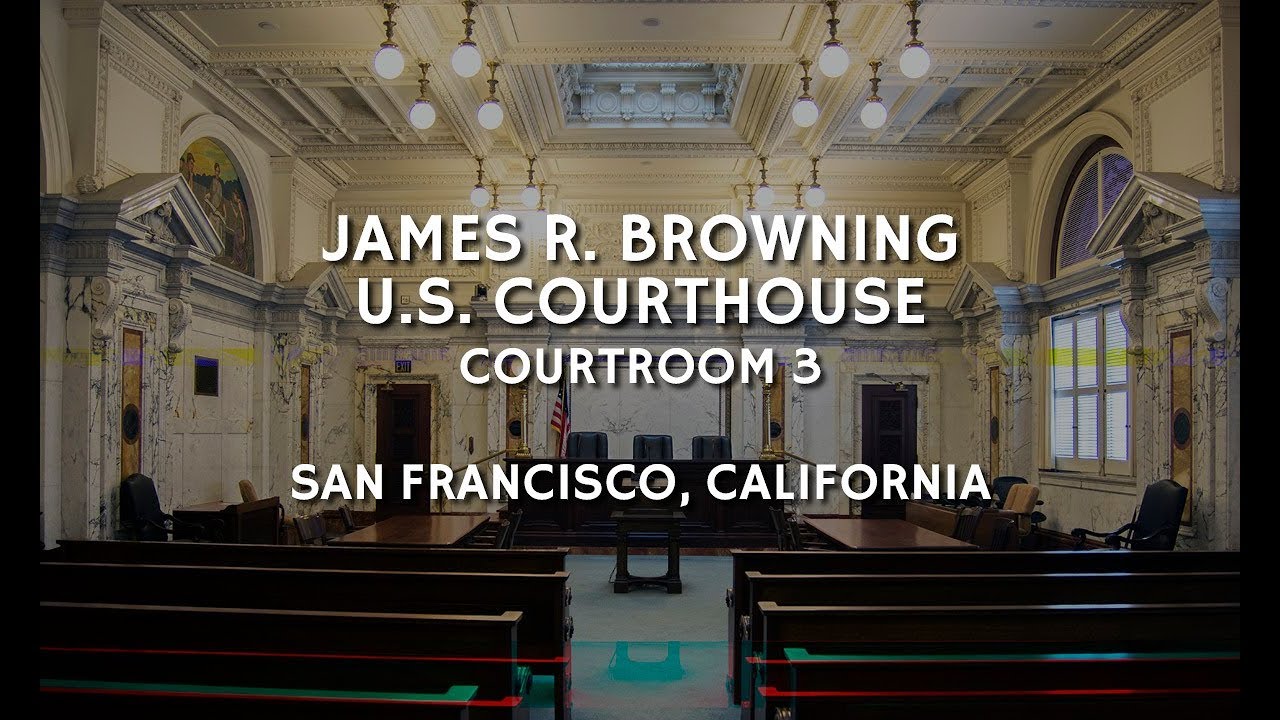
The video of oral argument [below] has made the implacable justice department lawyer an object of social media derision as she refused to yield ground to the dismay of an incredulous panel of three circuit judges. One of the judges, Japanese American A. Wallace Tashima, had been interned as a child during World War II. The news story will soon disappear in the tsunami of debate about how we treat the wave of refugees seeking refuge here. But for those of who teach lawyers about the nature and limits of zealous advocacy it is a 'teachable moment'.
Much sharp commentary in the Twittersphere has been focused on Sarah Fabian the DOJ lawyer who as the voice of the government at oral argument met with a dismissive, even derisive reception by a panel of the 9th Circuit Court of Appeals. Some have suggested she should be disciplined, others such as former DOJ spokesman Matthew Miller say she should have refused to sign the DOJ brief. But LDF President and Counsel Sherrilyn Ifill has taken exception to the attacks on the lawyer:
commonsense understanding of what the quoted language requires. Assuring that children eat enough edible food, drink clean water, are housed in hygienic facilities with sanitary bathrooms, have soap and toothpaste, and are not sleepdeprived are without doubt essential to the children’s safety.6 The district court properly construed the Agreement as requiring such conditions rather than allowing the government to decide whether to provide them.
The video of oral argument [below] has made the implacable justice department lawyer an object of social media derision as she refused to yield ground to the dismay of an incredulous panel of three circuit judges. One of the judges, Japanese American A. Wallace Tashima, had been interned as a child during World War II. The news story will soon disappear in the tsunami of debate about how we treat the wave of refugees seeking refuge here. But for those of who teach lawyers about the nature and limits of zealous advocacy it is a 'teachable moment'.
I’m seeing the personal ire directed at the DOJ atty arguing so shamefully abt the meaning of “safe & sanitary” conditions in detention ctrs. But she’s a govt. atty. Our job is to compel the govt, which acts in our name, to stop allowing this shameful defense of the indefensible.— Sherrilyn Ifill (@Sifill_LDF) June 22, 2019
As the French and Spanish words for our trade capture - Avocat and Abogado - we represent others - we don't speak for ourselves in litigation or advocacy on behalf of clients. AS the ABA's Model Rules say a lawyer "zealously asserts the client's position under the rules of the adversary system".[RPC Preamble and Scope] So the Rules of Professional Conduct make clear [RPC 1.2 (b)] that representation of a client "does not constitute an endorsement of the client's political, economic, social or moral views or activities." But we are limited by the strictures of obeying the general laws and limiting our advocacy to "a good faith effort to determine the validity, scope, meaning or application of the law." [RPC 1.2 (d)]. Similarly RPC 3.1 proscribes "frivolous" arguments, and prescribes "meritorious claims and contentions". Groundless argument may merit sanction for litigation misconduct under Federal Rule of Civil Procedure 11, or at least theoretically professional discipline. [Notably DOJ lawyers are practically immune from discipline by the state courts that license them; though subject to its Office of Professional Responsibility.]
The issues and highlights of the oral argument are well presented in this blog post by Jerry Lambe at Dan Abrams Law & Crime. In the video of oral argument below the most controversial part begins at 24:00